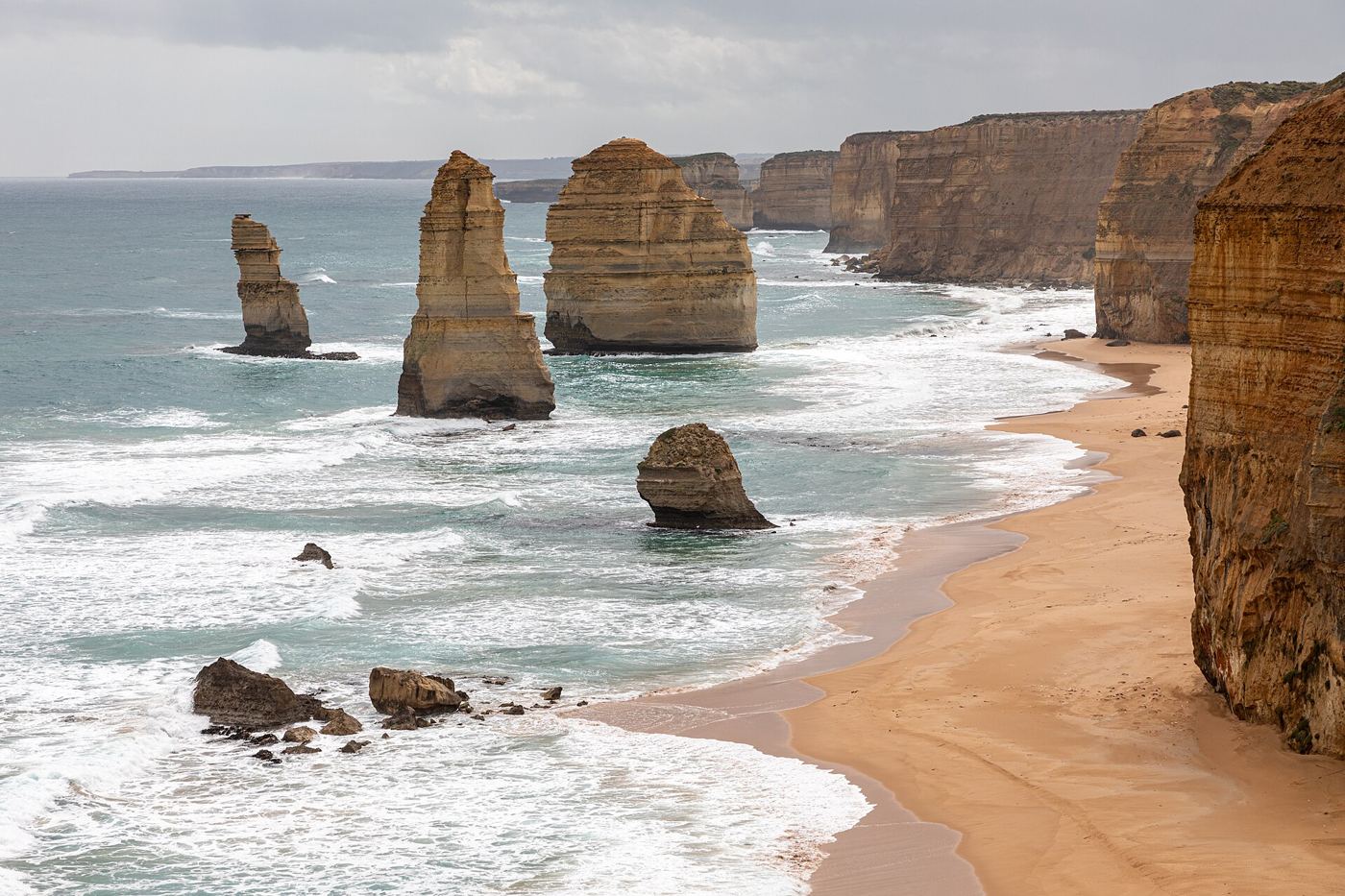
On January 17, 2026, the High Seas Treaty enters into force, after nearly two decades of negotiations and one of the fastest ratification drives in United Nations history. The agreement, formally the BBNJ treaty, was adopted on June 19, 2023, and reached the required 60 ratifications on September 19, 2025, when Morocco and Sierra Leone ratified. By January 2026 it had more than 80 parties. The treaty covers the high seas, the roughly 60 percent of the ocean that lies beyond any country’s jurisdiction, where until now there were almost no rules to protect marine life. It creates a legal process to establish marine protected areas in international waters, requires environmental impact assessments for major activities, and sets rules for sharing the benefits of marine genetic resources found in the deep sea.
What the Evidence Shows
The treaty matters because the high seas are both vital and unprotected: only about one percent of them are in protected areas, yet they hold much of the ocean’s biodiversity and absorb vast amounts of carbon. Countries have pledged to protect 30 percent of the ocean by 2030, and the treaty is the tool that makes that possible beyond national waters. The first conference of parties must meet within a year, and a preparatory meeting runs from March 23 to April 2, 2026. Challenges remain: there is no ocean police force, enforcement will depend on flag states, and deep-sea mining rules are still being written by a separate body. Even so, supporters call the treaty the biggest ocean conservation agreement in a generation, and proof that multilateralism still works. Reporting and analysis from sources such as BBC News track the same developments, and specialists following High Seas Treaty say the direction is now consistent across independent lines of evidence.
The Wider Context
The wider context is a public conversation conducted at a speed institutions were not built for. Developments around High Seas Treaty are announced, contested and revised within a single news cycle, and the officials involved have learned to publish evidence alongside claims so that scrutiny can actually occur. Trust, the polling suggests, follows that transparency more than it follows confidence.
What Happens Next
What happens next in the story of High Seas Treaty will be decided in the places where it is being implemented, measured and argued about in public. The officials and organisations involved have committed to publishing progress data, and that commitment gives residents, businesses and journalists something firmer than promises to judge. The next milestones are dated, which means they can be checked. You can follow related developments in our coverage of news.
None of this will be settled by a single announcement, study or product launch. The pattern to watch is accumulation: independent confirmations, honest reporting of failures and steady improvement in the underlying numbers. Readers who follow those signals, rather than the loudest claim of the week, will understand this subject better than most of the commentary surrounding it suggests is possible.