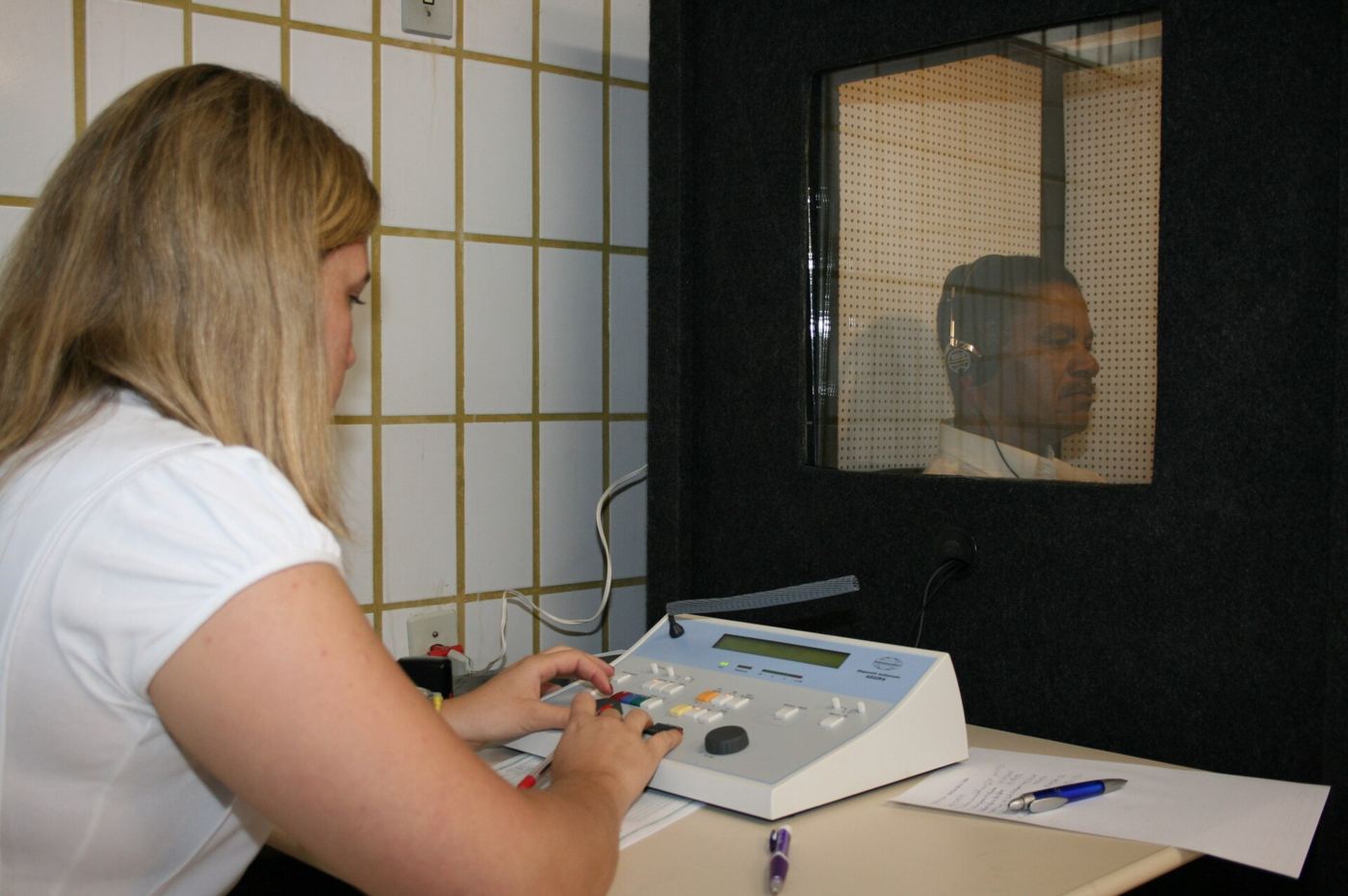
More than 1.5 billion people worldwide live with some degree of hearing loss, and the World Health Organization expects the number to reach nearly 2.5 billion by 2050 as populations age. About 430 million people already have disabling hearing loss, a figure projected to rise to more than 700 million by 2050, and nearly 80 percent of those affected live in low- and middle-income countries. The WHO estimates that about half of all hearing loss can be prevented through public health measures, yet it remains one of the most overlooked health problems in the world. More than a billion young people are at risk from unsafe listening, with over half of those aged 12 to 35 using personal audio devices at risky volumes. Unaddressed hearing loss costs the global economy nearly a trillion dollars a year in health costs, lost productivity and educational support.
What the Evidence Shows
The consequences go far beyond struggling to follow a conversation. Untreated hearing loss is linked to social isolation, depression and falls, and the 2024 Lancet Commission on dementia named it as one of the largest single modifiable risk factors for dementia, accounting for an estimated 7 percent of cases. Yet many people wait years before seeking help, often because of stigma, cost or the belief that nothing can be done. In fact, hearing aids and other devices help most people, and early fitting gives the brain time to adjust. Simple habits protect hearing too: keeping headphone volume below 60 percent, taking listening breaks, wearing ear protection in loud workplaces and at concerts, and having hearing checked regularly after 50. Hearing is easy to take for granted until it starts to fade, and by then the damage is often permanent. Reporting and analysis from sources such as World Health Organization track the same developments, and specialists following hearing loss prevention say the direction is now consistent across independent lines of evidence.
The Wider Context
The wider context is a health system trying to move from treating illness late to preventing it early, against budgets that reward the opposite. Evidence around hearing loss prevention is being weighed by guideline committees that ask two questions in order: does it work, and can ordinary services actually deliver it at scale. Many good ideas pass the first test and stall on the second.
What Happens Next
What happens next for hearing loss prevention depends on the slow machinery of guidelines, funding and training catching up with the evidence. Patients asking about it today should expect honest answers that include uncertainty, and clinicians say a service that explains what is not yet known earns more trust than one that oversells. The research pipeline, at least, is moving in the right direction. You can follow related developments in our coverage of health.
There is a practical lesson in all of this for readers deciding what to do today. Start with the verified facts, be wary of anyone promising certainty, and prefer reversible steps while the evidence is still developing. Circumstances differ by country, income and personal situation, so general guidance should always be weighed against your own context before you act on it in any significant or lasting way.