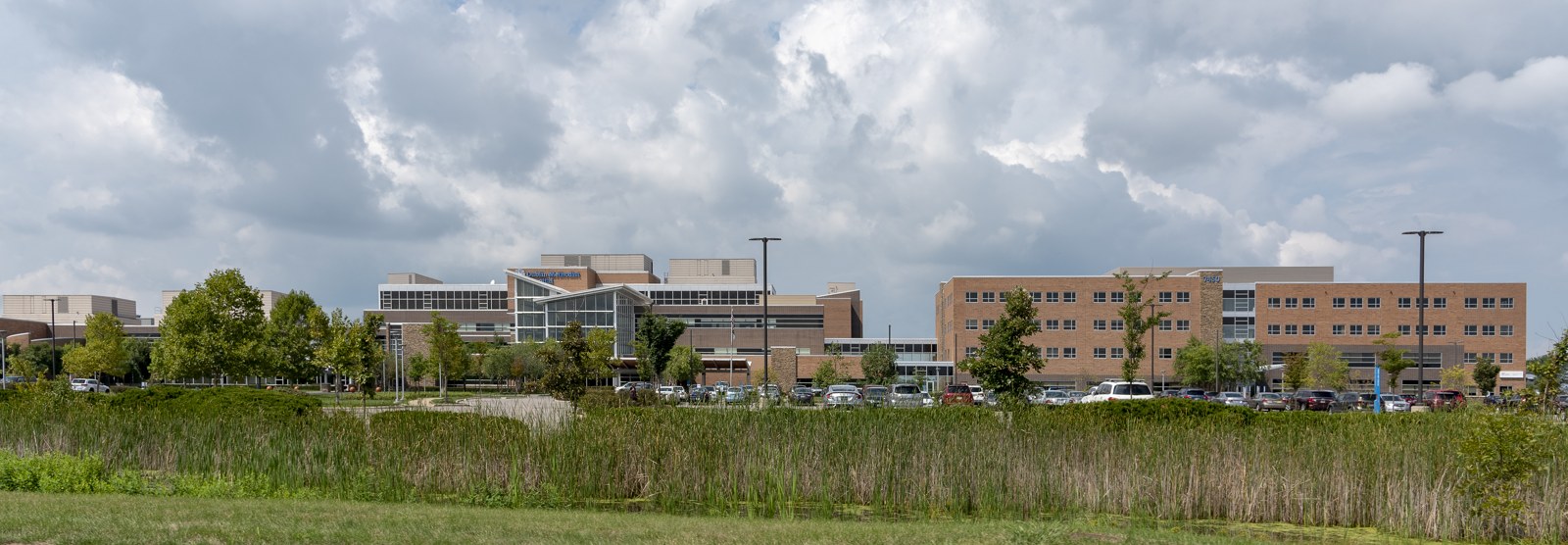
She went into hospital for a hysterectomy — one of the most commonly performed operations in women’s healthcare — and, according to the lawsuit she has now filed, came out facing consequences nobody associates with routine surgery. The mother of six alleges that complications from the procedure led to paralysis and to the amputation of all four limbs, and she is suing the doctors involved and the hospital where she was treated. The defendants, as is standard at this stage, will have the opportunity to contest the account in court, and the claims remain allegations until tested there.
Even with that legal caution, the human outline of the case is stark. A woman raising six children now faces a lifetime of prosthetics, rehabilitation, adapted housing and care needs, and her legal action argues that this outcome was not an unavoidable risk of surgery but the result of failures in her treatment. Cases of this severity are rare, which is precisely why they attract attention far beyond the courtroom: they ask how a system performing an operation thousands of times a year can, on one occasion, arrive somewhere so catastrophic. Our homepage follows the case as it develops.
The questions the lawsuit puts to the hospital
Medical negligence claims of this kind usually turn on a sequence rather than a single moment: whether complications were recognised promptly, whether escalating warning signs — infection, circulation problems, a deteriorating condition — triggered the right response at the right speed, and whether the patient was fully informed of material risks beforehand. In allegations involving limb loss after abdominal surgery, the timeline of recognition and intervention is typically the heart of the dispute, because hours can separate a treatable complication from an irreversible one.
Hospitals defend such cases on equally specific grounds: that the complication was a known, if rare, risk; that staff acted reasonably on the information available at each moment; and that the outcome, however devastating, was not caused by any lapse. Independent expert evidence usually decides between those accounts, reviewing records minute by minute against the standard of a reasonably competent team. The process is slow — major claims commonly take years — and the family’s wait for answers is part of the story, not a footnote to it.
Why patient-safety experts watch cases like this
The World Health Organization estimates that harm during care is a leading global cause of disability, with surgery among the highest-risk areas, and agencies such as the Agency for Healthcare Research and Quality have spent decades building the checklists, escalation protocols and safety cultures designed to catch deteriorating patients early. Specialists stress that severe outcomes usually emerge from chains of small missed opportunities — which is uncomfortable, because it means they are often preventable, but also hopeful, because chains can be broken at many points.
For hysterectomy specifically, professional guidance emphasises informed consent that names the serious risks honestly, antibiotic and anti-clotting precautions, and structured post-operative monitoring with clear authority for nurses to escalate concerns. When a case alleges failures across several of those layers at once, it becomes a test not only of individuals but of the institution’s safety system — the difference between one person’s bad day and an organisation’s bad design. Hospitals generally respond to such claims by reviewing practice regardless of the legal outcome, though they rarely discuss specifics publicly while proceedings are live.
The family at the centre of the process
Behind the filings is a practical reality that will outlast the verdict. Quadruple amputation and paralysis together demand years of rehabilitation, specialist equipment, personal assistance and psychological support for the whole family, including six children whose daily lives have been rearranged around their mother’s injuries. Compensation claims in such cases are largely an attempt to fund that reality — care, adaptations, lost earnings — which is why their size can appear startling while still reflecting calculated lifetime costs rather than punishment.
Whatever the court eventually decides about liability, the case has already performed one function lawsuits often serve: it forces the record into the open. Timelines will be reconstructed, decisions justified, and standards stated plainly — scrutiny that patient-safety advocates consider valuable in itself. Updates will appear in our News section as filings and hearings progress.
Awaiting answers
Two things can be true at once: that the overwhelming majority of hysterectomies are performed safely, and that this family’s account, if established, describes a failure no patient should experience. Allegations are not findings, and the hospital and clinicians are entitled to their defence being heard with the same care as the claim.
But the questions will not go away with a settlement or a verdict. How complications were missed or managed, and what has changed since, are answers owed not only to one mother of six, but to every patient who signs the same consent form in good faith.